


Fintech link-building is non-negotiable, but it’s also one of the most misunderstood pieces of the SEO puzzle.
That’s because every backlink carries a different weight. Not all links are good, and some can harm your trust and credibility.
That’s why covering the top link-building strategies to build credibility, grow traffic, and get your fintech brand in front of the right people in this guide.
TL;DR
- Link-building prioritizes high-authority, relevant links that build trust and organic visibility.
- The strongest strategies include unlinked mention recovery, guest content, reports, tools, infographics, podcast interviews, integrations, and free product access in exchange for reviews.
- Scalable link magnets, such as calculators, embeddable widgets, badges, custom visuals, and first-party data, naturally attract backlinks over time.
- Focus on backlinks that support deep pages beyond the homepage, and prioritize contextual quality over volume to drive real ranking impact.
Find Unlinked Mentions
People might already be talking about you online, just not linking to you.
These unlinked brand mentions are low-hanging fruit in your link building strategy.
Set up alerts using tools like Google Alerts or Mention to flag new articles, blogs, or roundups that reference your brand. When you find one without a backlink, reach out directly to the author or editor with a quick request to turn that mention into a live link.
It’s a simple ask, and often they’re happy to accommodate, especially if you make it easy with the exact URL and anchor text you want.
Optimize Existing Brand Links
Getting a homepage backlink is great! But getting a deep link to a product or resource page that actually converts is better.
Audit your backlink profile using tools like Ahrefs or Moz, and look for generic homepage links. Then, reach out to those site owners and ask if they’d be open to updating the link to point to a more relevant destination, like your pricing page, API documentation, or onboarding guide.
You’re not asking for a new favor, just making a good link better. In return, you get more qualified referral traffic and stronger topical relevance in Google’s eyes.
Publish Guest Posts
Guest posting has been overused, but it is still one of the most reliable ways to build high-authority links to your fintech site. The key is using this method correctly.
Build real relationships with publications your customers actually read. Then pitch useful, original content that solves problems relevant to their audience, naturally including a backlink to one of your deep pages.
Strong editorial partnerships in fintech are rare, so once you’ve got one, treat it like gold. Keep showing up with excellent content, and those links will come naturally.
Publish Original Data and Industry Reports
Chances are, you have access to unique data or industry insights. That’s your ticket to high-authority backlinks.
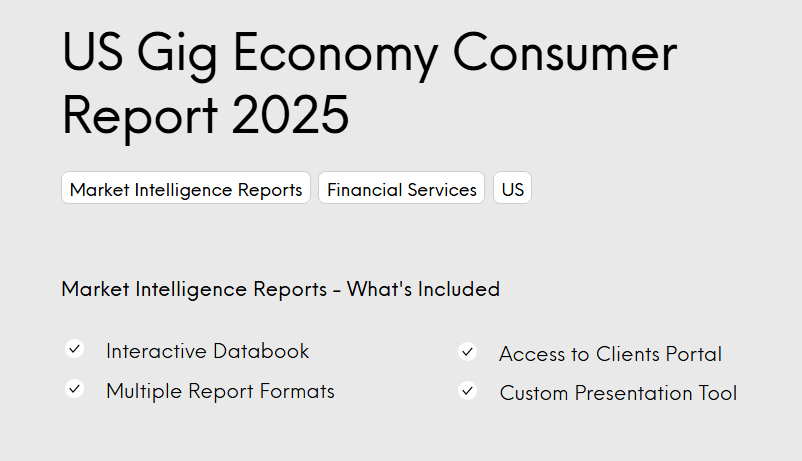
Create trend reports that break down what’s happening in your corner of the market, like crypto adoption, embedded finance growth, or banking UX trends.
Use proprietary data if you’ve got it, and back it up with visuals, expert quotes, and deep analysis.
These reports are naturally link-worthy. Use the same URL year after year, update the report annually, and layer in multimedia, such as charts or videos, to keep backlinks flowing while improving your SEO over time.
Get On Podcast Interviews for Links
Podcasts are where niche audiences hang out, and they’re quietly one of the best backlink machines in SEO.
When you guest appear on a fintech podcast, your episode often gets published on the show’s site with a link to your homepage or a relevant product page.
That’s a free, contextual backlink from a domain in your space.
Build a list of industry podcasts where your thought leaders can weigh in on regulation, tech stacks, payments, or whatever your expertise may be. Every interview is a chance to educate and earn links.
Use Embeddable Widgets and Tools
If you want backlinks that scale without pitching, you have to build something people want to embed.
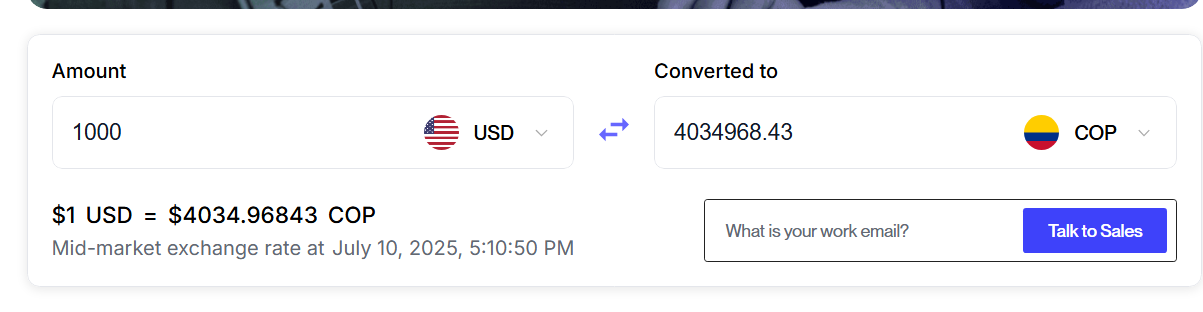
Create a calculator, ROI estimator, live currency widget, or API-driven dashboard, and make it embeddable.
Add a “Powered by [YourBrand]” link that goes back to the tool’s landing page, and you’ll start collecting links every time a user installs it on their site.
These embeds tend to show up on trusted domains like media sites and customers’ blogs, giving your backlink profile a serious credibility boost.
Let Users Build Links for You with Shareable Features
An excellent link-building strategy is to step back and let your users do it for you.
Offer easy-to-share dashboards, reports, calculators, or personalized widgets, and make sure they include a branded backlink. Then, encourage sharing with smart in-app prompts, via email, or in your help docs.
The more users you have sharing valuable outputs from your platform, the more backlinks you’ll earn without lifting a finger.
Get Listed in Resource Roundups
Fintech roundups are everywhere, and each one is a backlink opportunity.
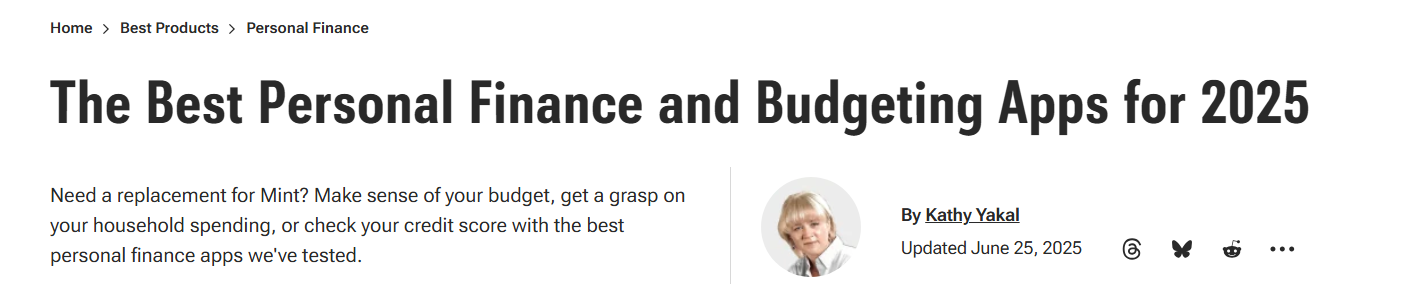
Whether they’re curated lists on blogs, agency websites, or review sites, they exist to spotlight tools like yours. All you have to do is reach out and suggest your inclusion.
Use sites like Help a Reporter Out (HARO) or Featured.com, where journalists post callouts seeking pitches. You can also follow journalists in your niche on X or LinkedIn, or follow hashtags like #journorequest to get alerts about pitch opportunities.
Also, published lists are flexible, and many sites will gladly update their roundup if you’ve got a tool worth mentioning. Look for signs like “last updated” tags or changing numbers in the headline.
Replace Broken Links with Your Content
Broken link building is like digital clean-up with a payoff.
Find blogs or resources in your niche that are linking to dead pages. Then, offer them your content as a replacement.
They fix the broken experience for their readers, and you get a backlink in return. Everyone wins.
Use tools like Ahrefs or Screaming Frog to scan competitor sites or popular resource pages for broken outbound links. Have a solid piece of content ready, or write one that fills the exact same gap.
This one takes time, but when done right, it builds credibility and domain authority fast.
Land CEO Interviews for High-Quality Backlinks
Your founders and execs have insights. Use them!
Pitch your CEO or subject matter experts for interviews on blogs, industry sites, or newsletters that already feature fintech voices.

You don’t need a big podcast or live recording to make it happen. Many sites will send over a simple doc with 5-7 questions and publish the responses as a written Q&A. In return, you’ll almost always earn a juicy backlink, usually to your homepage or a product page.
Create Custom Infographics That Are Naturally Link-Worthy
Find relevant blogs or articles in your niche, and offer them a custom infographic to enhance their content. In return, you get a branded link. Easy win!
Infographics distill complex ideas (think lending regulations, payment ecosystems, or consumer fintech trends) into digestible visuals. And if you’re offering one up for free, some content managers will bite.
Just make sure the infographic is high-quality, genuinely useful, and branded to your site.
This tactic can work because you’re adding value and saving the content team time. Even better, it positions your brand as the authority behind the insights.
Request Image Credits
If you’ve got charts, graphs, UI screenshots, or branded visuals floating around online, chances are someone’s already borrowed them without giving you credit.
Image credit link-building involves tracking uncredited uses and turning them into backlinks. Tools like Google Reverse Image Search or TinEye can help you spot offenders. Once you do, just send a polite email asking for proper attribution with a link.
This works especially well in fintech, where original visuals such as market trend graphs, security process diagrams, or platform screenshots are often shared. Each one is a backlink opportunity hiding in plain sight.
Exchange Access for Product Reviews
Reach out to bloggers, analysts, or finfluencers and offer them free access to your product for a few months in exchange for an honest review.
Their write-up typically includes a backlink, especially if they liked what they saw, and their content often ranks well because it naturally embeds keywords.
It’s a fast way to build domain authority and grow awareness. And some testers may end up becoming long-term paying users.
Get Backlinks from Integration Partners
If you’re working with integration partners, don’t sleep on the SEO perks.
Each time you integrate with another fintech product, you’re creating a reason for both sites to link to each other. Get listed in their partner directory.

Ask for a blog post announcing the partnership, with a juicy anchor link to a core page. Or, offer to write a joint guide or integration how-to.
It’s the kind of link that search engines love because it’s relevant, contextual, and natural.
Generate Rankings Reports
Curated rankings are another backlink opportunity hiding in plain sight.
Create a report ranking the fastest-growing fintech startups, the most downloaded apps, or the best tools for compliance automation, whatever aligns with your space.
Then, reach out to each company on the list and let them know they made the cut.
You’d be surprised how many will link to your post on their blog or press page. Everyone loves a little bragging rights, especially when it’s backed by data.
Use Badges as Shareable Social Proof
If you’ve ever seen a site brag about being a G2 High Performer or a Capterra Favorite, you’ve seen badge link building in action.
It’s brilliant because people love to show off. Badges give your users a reason to promote you and link to you.
You can do the same.
If your fintech offers benchmarks, certifications, or program tiers, create a badge for each. Then, encourage users to add it to their sites, including a link back to your profile or feature page. They get credibility, you get backlinks.
Develop Free Tools as Link Magnets
If you build a free tool that’s actually helpful, people will link to it.
Think calculators, ROI estimators, compliance checkers, budget planners, or anything that speaks directly to your ICP and solves a quick problem.
Then promote it heavily.
Launch it on Product Hunt, share it in Slack groups, hit relevant subreddits, and make sure it’s front and center on your blog and in your navigation. Make it easy for people to find it and embed it.
Become a Source for Journalists
Similar to the round-up idea, journalists are always on the hunt for sources. They look for subject-matter experts to provide quotes for articles. This is your chance to give a hot take while earning a backlink for your business.
Fintech founders and marketers have used HARO to land do-follow links from Forbes, Inc., Business Insider, and more. It can still be a good way to build links and authority simultaneously.
Give Customer Testimonials
Giving a testimonial is one of the easiest ways to earn a backlink.
Reach out to a tool or service you’ve actually used, offer a short review, and request that they link it back to your homepage or about page.
Plenty of fintech teams use everything from analytics platforms to payment processors and CRM tools. It’s a simple way to turn those into backlinks.
Prioritize tools with visible testimonial sections on their homepage or case study pages.
Speak At or Sponsor an Event
Whether it’s speaking at a fintech summit or sponsoring a digital payments roundtable, events are great for SEO.
Events link back to their speakers, panelists, and sponsors. These are typically high-authority domains in your vertical, and those backlinks add serious value.
You don’t even need to be in person. Virtual events and online summits often list speakers with bios and backlinks.
Answer Questions on Q&A Sites
You don’t need a blog post to rank if your answer is already showing up on Quora, Reddit, or Stack Exchange.
Q&A platforms are underutilized for link building. Links here are usually no-follow, but they can still be highly valuable.
Fintech audiences often ask about security, budgeting tools, automation software, or B2B integrations, and a credible answer from someone in the space carries weight.
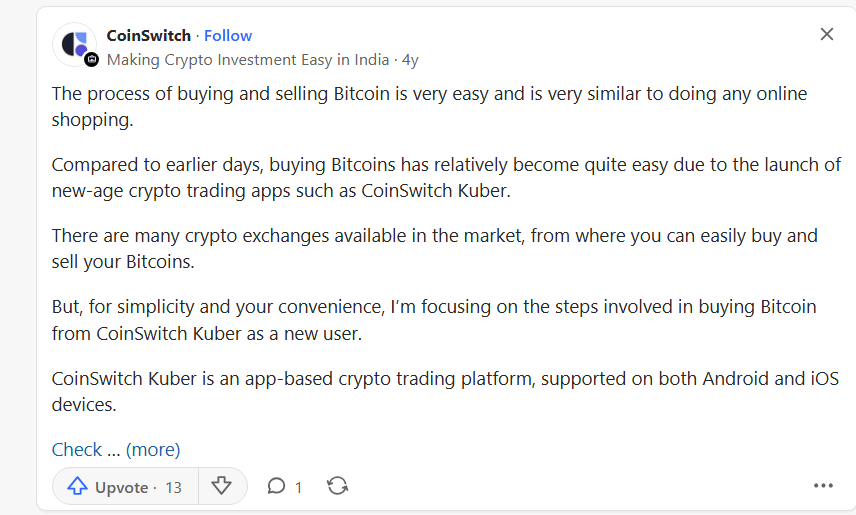
Answer well, include a relevant link to your product or content, and you’ll get traffic, trust, and backlinks from highly engaged users.
Just keep it honest and helpful, no hard sells.
Reach Out If You Want to Execute a Fintech Link-Building Campaign
Backlink-building has to focus on quality. A few high-quality backlinks from relevant, trusted sources will outperform dozens of weak, low-authority ones every time.
It’s also about where those links point. Contextual links to the right internal pages carry more weight than generic homepage mentions. If you need help putting the pieces together, reach out to us. We can execute a link-building campaign for you that drives rankings, referral traffic, and builds authority.
