



Fintech SEO mistakes quietly cap growth, weaken credibility, and block high-intent users from ever finding your product.
Fintech companies operate in one of the most competitive and highly regulated online spaces. SEO here is less about chasing clicks and more about proving legitimacy, authority, and relevance at scale.
Read on to learn the most common fintech SEO mistakes and what you can do instead.
TL;DR
- Fintech SEO mistakes often come from trust issues, such as clickbait titles, purchased backlinks, thin content, or poor mobile performance.
- High-intent, low-volume keywords, strong internal linking, descriptive alt text, and proper schema markup create hidden SEO advantages most fintech brands overlook.
- Technical gaps, such as slow mobile pages or unclaimed Google Business Profiles, kill visibility and conversions.
- Treat SEO as an ongoing discipline rather than a one-time task for long-term organic growth.
Over-Optimizing Titles (Which Turn Into Clickbait)
Fintech SEO lives and dies on trust. When your title promises the moon, but your content delivers a pebble, you hurt your credibility.
Over-optimized titles usually happen when you try to jam in keywords, pump up urgency, and make big promises that don’t line up with the actual value on the page. You might get the click, but you’ll lose the reader fast.
Search engines measure how people interact with your content after they click. If they bounce right away, your rankings can drop. Your readers might question whether your product is equally overhyped.
Write titles that are clear and compelling without overselling. Start with your core keyword, then add a hook that reflects the content. Ideally, ensure the user can read the entire title without clicking.
For example, if your blog post is “5 Ways to Lower Credit Card Debt,” make sure the piece delivers exactly that, with practical steps your audience can use. You can still be creative, but keep the promise realistic.
Buying Cheap Backlinks
Backlinks are one of SEO’s strongest ranking signals. That’s why many fintech companies are tempted to shortcut the process by buying them in bulk from online vendors who offer “cheap backlinks.” But that’s not the easy win you might think it is.
Buying cheap backlinks is extremely risky, especially for trust-focused industries like fintech. Google can sniff out unnatural link patterns created by backlink farms or private blog networks (PBNs). If you’re caught, your site can take a massive ranking hit.
Instead of buying cheap links, invest in creating high-value, authoritative content (think data reports, industry analyses, or financial guides) that journalists, bloggers, and partners actually want to link to, and hire a fintech SEO agency to run a professional, targeted link-building campaign to boost your rankings.
Ignoring Low-Volume Keywords with High Conversion Potential
Too many fintech companies chase the biggest, flashiest keywords. They aim for the ones with tens of thousands of monthly searches. But those keywords are brutally competitive. They can take forever to rank for. In many cases, broader terms attract traffic that doesn’t convert.
Meanwhile, low-volume keywords with high intent get ignored, even though they can bring in leads that are ready to act.
In fintech, high-intent keywords could include phrases such as “small business loan calculator for startups” or “how to automate crypto tax reporting.” They might only pull 10-50 searches a month, but the people searching are much closer to making a buying decision.
Use tools like Ahrefs, SEMrush, or Google Keyword Planner to find specific, long-tail queries that match your product’s features and audience pain points. Then create dedicated content that fully answers these searches.
Over time, stacking wins from these smaller keywords builds authority. making it easier to compete for the bigger ones later.
Not Catering to Mobile Users
If your fintech site loads slowly or buries important info on mobile screens, you’re bleeding users before they even see your offer.
More than half of all web traffic now comes from mobile. In finance, mobile users are looking for quick answers or making urgent decisions. A clunky mobile experience kills trust and conversions.
Run your site through Google’s Mobile-Friendly Test and PageSpeed Insights. These findings give you a starting point for quick fixes, such as compressing images. It also gives you a chance to see what your mobile users see. If certain features or aspects frustrate you, they’re likely frustrating your users, too.
Frontload the most important information so users don’t have to scroll through walls of text to get to the good stuff. Prioritize fast load times (under 3 seconds) and make sure you can read the text without zooming.
Every page should look optimized for mobile devices.
Producing Low-Quality AI Content
AI tools speed up content creation, but bad AI content can tank your rankings. Most AI content is generic and factually shaky. It lacks the depth or nuance that financial topics demand.
The mistake most companies make is dumping prompts into ChatGPT and publishing whatever comes out without editing it. You end up with articles that “read” okay, but offer nothing unique. They repeat the same advice found on dozens of other sites, which does nothing to meet Google’s E-E-A-T (Experience, Expertise, Authoritativeness, Trustworthiness) standards.
If you want to leverage AI, use it as a writing assistant. Start with real research and expert interviews. Then, feed the AI a highly structured prompt to draft sections more quickly. Always have a subject matter expert refine the content.
Excluding Alt Text for Images
Skipping alt text alienates customers with disabilities. It’s also a missed SEO opportunity.
Images, charts, infographics, and UI screenshots visually explain content. Without alt text, you’re leaving that information invisible to search engines. Users who rely on screen readers can’t access it.
Alt text provides context if an image fails to load. It can also drive qualified traffic from Google Images, especially for keyword-rich queries such as “credit card comparison chart” or “mobile banking app dashboard.”

Write descriptive alt text for every image and insert it in the HTML code of the image tag. Focus on what’s in the image and why it’s relevant. Make it natural but informative without keyword stuffing.
For example, instead of “chart,” write “line graph showing year-over-year growth in mobile banking users.”
Not Having an Internal Linking Structure
Internal links are links that send users to other content on your website. Your users might not care about messy internal links, but Google does.
These links are like your site’s road map. Without them, people (and Google) have no clear path to follow. Your best content may never get seen.
Fintech content often spans multiple categories, like personal finance tips, lending products, compliance updates, and investor resources. You can’t rely on menus alone to connect all the dots.
If someone is reading about “how to choose a robo-advisor,” you want them to click into your comparison guide or your fee calculator. Without those links, they leave and don’t convert.
Be deliberate when linking internally. Every page should connect to another relevant page. Identify cornerstone pages (your high-value, evergreen content) and make sure other related articles link back to them. When linking, use descriptive anchor text that tells users and Google what the page is about.
Also, use a predictable link architecture so your URLs are descriptive and consistent. Ideally, your URL should contain the primary keyword for that page. Like this example from Stripe:
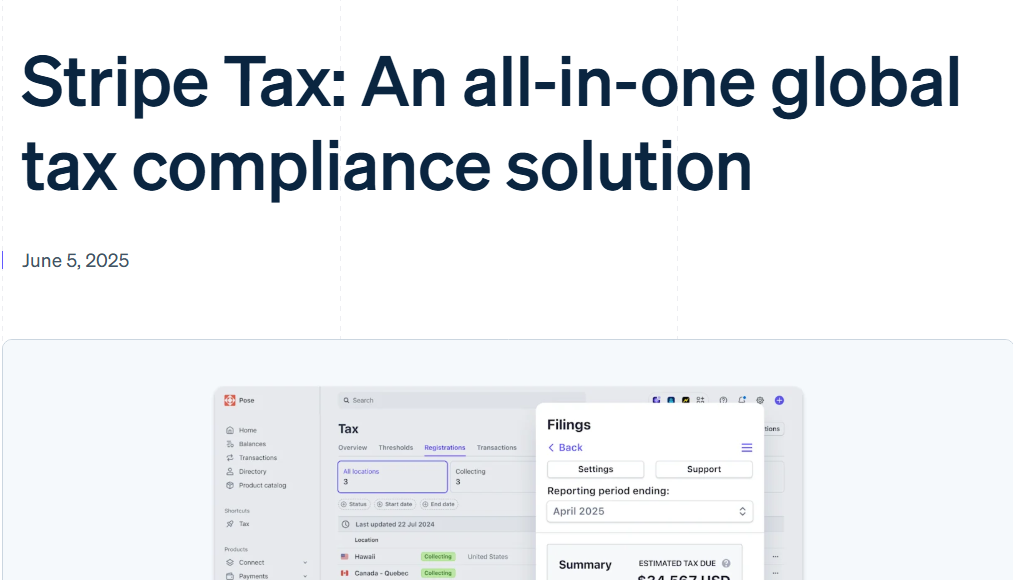
Look at its URL structure:
https://stripe.com/blog/stripe-tax-an-all-in-one-global-tax-compliance-solution
It’s descriptive and keyword-rich.
Review your site regularly to ensure new content links to older, relevant pages, and vice versa.
Not Applying Schema Markup
Schema markup adds extra context to your content, giving you more ways to appear up Google search results.
Not using schema in fintech is risky. Your content might be eligible for rich results (like FAQ dropdowns or product details), but it never shows up because Google (and AI Search) doesn’t have the extra data it needs.
Schema helps your content stand out in the SERPs, which can lead to higher click-through rates. For example, a loan calculator page with schema can display loan ranges or APR info right there in the search results, like this:
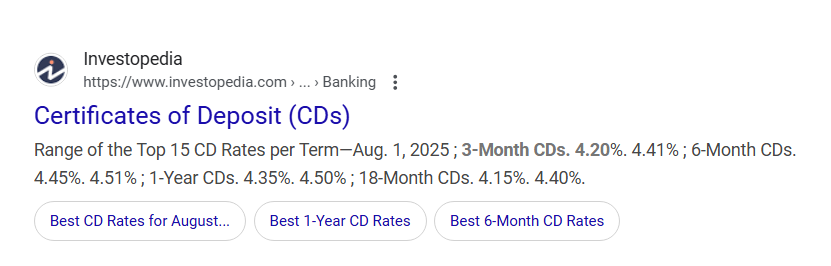
Start with schema for the FAQ page or product pages. If you offer calculators or reviews, add schema to help Google display them attractively.
Tools like Google’s Structured Data Markup Helper or even ChatGPT can make this process easier.
Ignoring Your Local Google Business Profile
Many fintech companies skip claiming or optimizing their Google Business Profile (GBP) because they think it’s only for physical storefronts. But even if you’re not a traditional “local” business, a GBP listing boosts credibility in local searches and gives people an easy way to find and contact you.
If you offer in-person consultations or have a physical office, a Google Business Profile is a must.
Without it, you’re basically invisible in Google’s local pack (the map results at the top of the page). That’s prime real estate where people make quick decisions about who to call or visit.
Claim your GBP and fully optimize it. Add your correct address, phone number, hours, and website. Upload high-quality images of your office or team. Encourage happy clients to leave reviews, and respond to every review (good or bad) to show you care.
A complete, active profile helps build trust and drives more inbound leads.
Treating SEO Like a One-and-Done Thing
Some fintech companies approach SEO like a launch checklist item: fix a few things, publish a few blog posts, add a few keywords, and call it done. That’s like going to the gym once and expecting to stay in shape forever.
Search algorithms evolve. Competitors update their sites. You need to actively maintain and improve your SEO so the rankings you worked so hard for don’t slip.
Treat SEO as an ongoing process. Schedule regular technical health audits and track your key metrics monthly. Publish new content and update existing content.
Make SEO part of your daily business growth engine, and you’ll keep compounding results.
Let the Experts Fix These Common Fintech SEO Mistakes
There are hundreds of ways these common fintech SEO mistakes can work against you. Each one chips away at rankings and conversions in the markets you’re trying to reach. The longer those issues sit, the more organic growth you leave on the table.
Strong fintech SEO focuses on doing the right things, in the right order. Hiring a dedicated SEO service gives you this confidence. Our specialists find and fix issues that are proven to get results.
Get in touch and let us start fixing the SEO mistakes holding you back.
